Kaziranga Odyssey: A Travel Guide
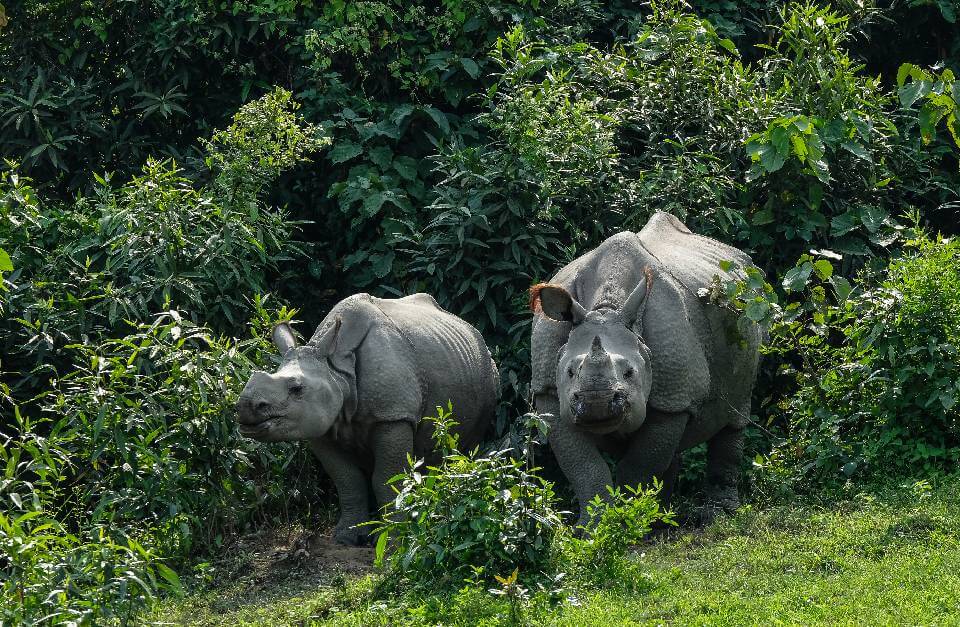
Set in the Brahmaputra’s floodplains in Assam, the vast Kaziranga National Park is well-known for bringing the greater one-horned rhinoceros back from the brink of extinction.
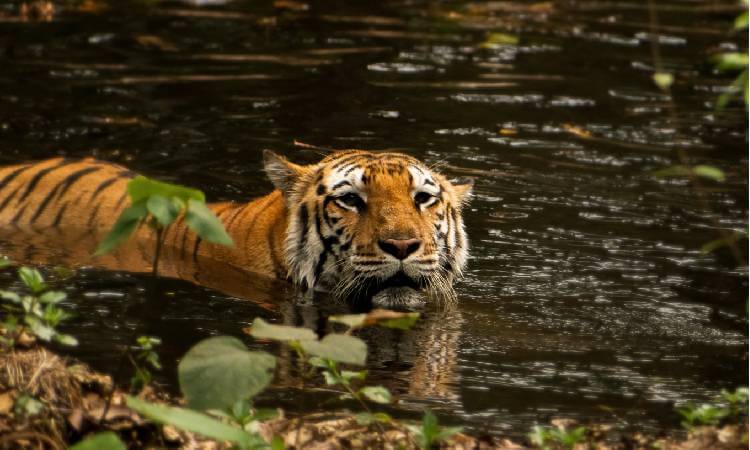
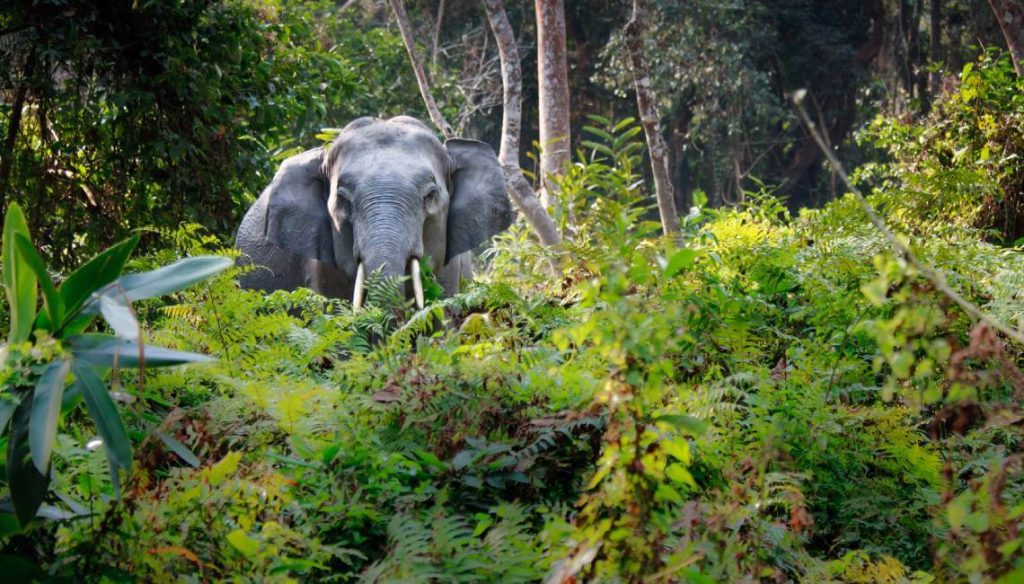
It all started back in 1908 when things were looking extremely bleak for rhinos and they were being hunted greedily until only ~200 of them were left. The park was declared a reserve forest. However, imperial policies had little effect on wildlife conservation. Only in 1974, under the Assam National Parks Act, 1968, the park received the highest legal protection. In December 1985, the original core area of 428 sqkm was declared a UNESCO World Heritage Site. Today, it is inhabited by the world’s largest population of greater one-horned rhinoceroses – 2613 rhinos. It also has many endangered species including Asian elephant, wild water buffalo, sloth bear, eastern swamp deer, sambar deer, hog deer, capped langur, hoolock gibbon, and gaur, amongst others. Cut to 2007, the park was declared a tiger reserve. Latest estimates show that the park has one of the highest density of tigers in the world —121 in 2022, up from only 83 in 2014.
Despite serious poaching and environmental threats, it remains one of India’s most successful conservation stories.
What Makes Kaziranga Truly Special
You’re sure to see the famed rhinos on your safari and no matter what you’ll be able to spot Gangetic river dolphins in all their glory on your boat safari – but what sets Kaziranga National Park apart is its complicated relationship with the mighty Brahmaputra.
The park lies in the floodplains of the river, and every monsoon the Brahmaputra swallows more than two-thirds of it. Flooding in Kaziranga is one of the most natural phenomena and every year the park goes through a series of changes – fishes and minerals in the swamps are replenished and a cycle of erosion and sedimentation forms new highlands and waterbodies. However, it also drives a lot of animals away in search of safe haven. Thousands of animals migrate to the highlands. And by October, once the monsoon ends, the park is all set to welcome the animals anew.
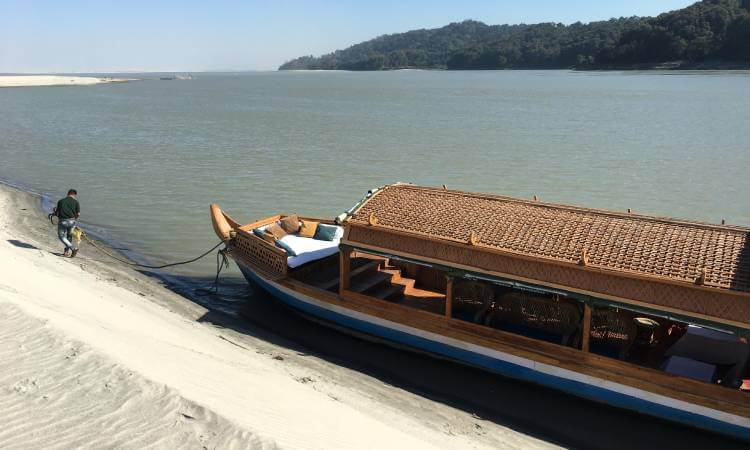
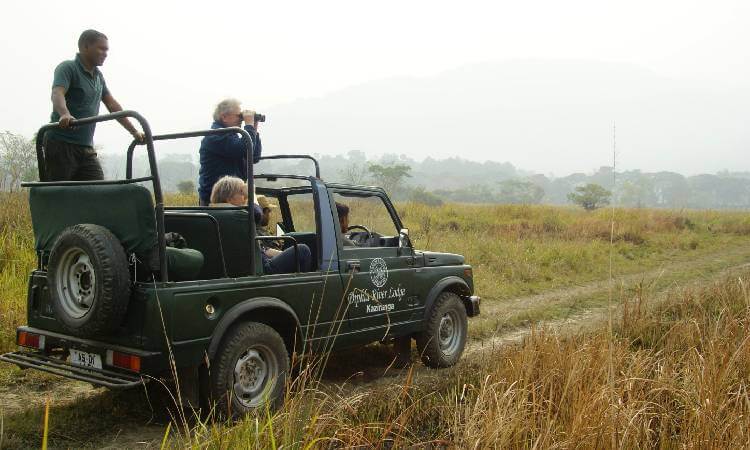
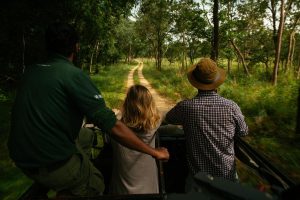
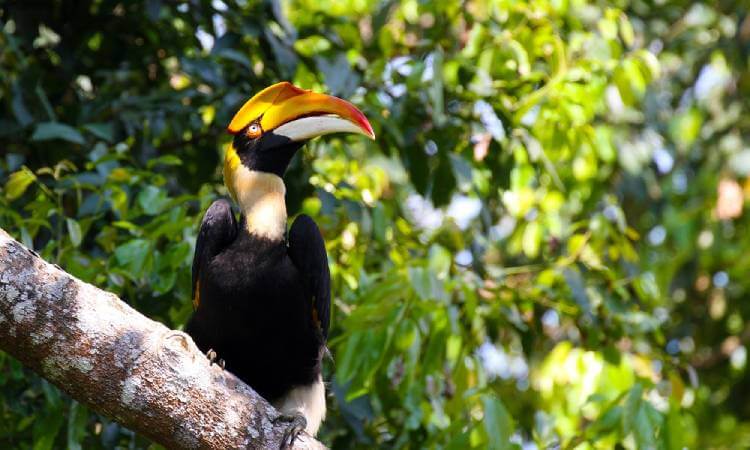
With over 30 species of mammals and about 500 species of birds, Kaziranga is the only park in India to provide three safari options: jeep safari, elephant safari and even a boat ride in the Brahmaputra marshes. November to March is the best time to visit the Park. During this period, all the animals including rhinos, Gangetic river dolphins, elephants and tigers, can be spotted. If you’re interested in bird-watching, November to February is ideal, as the migratory birds start making their way back in March and April.
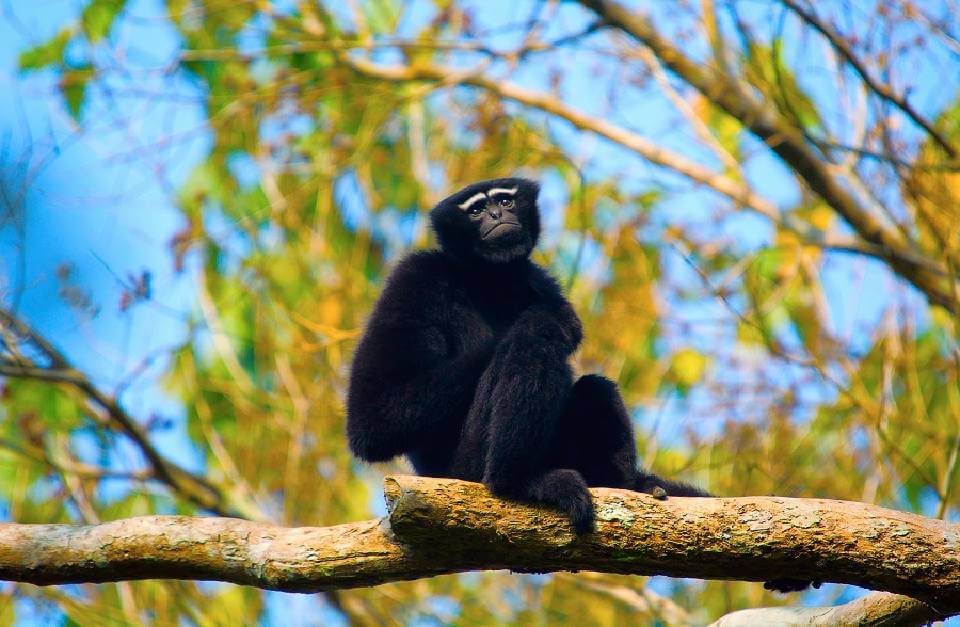
Gibbon Wildlife Sanctuary, now known as the Hollongapar Gibbon Sanctuary is located 130 kms from Kaziranga National Park, created to conserve the unique and the only species of apes found in India – the Hoolock Gibbon. Interestingly, their lack of tail is what makes them different from other primates and apes. To catch sight of these majestic creatures, it’s best to opt for a half day trip from your base in Kaziranga.
Where Wildlife Gets a New Lease of Life
Located on a critical elephant corridor near Kaziranga National Park, the Centre for Wildlife Rehabilitation and Conservation has earned its reputation as the only facility in India where orphaned and injured wild animals of a variety of species are hand-raised and treated. Set up in 2002 by the Wildlife Trust of India and the Assam Forest Department, the Centre was set up to address Kaziranga National Park’s increasing number of wildlife casualties during the annual floods. It has rescued over 3000 animals including 22 endangered species.
Best Place to Stay
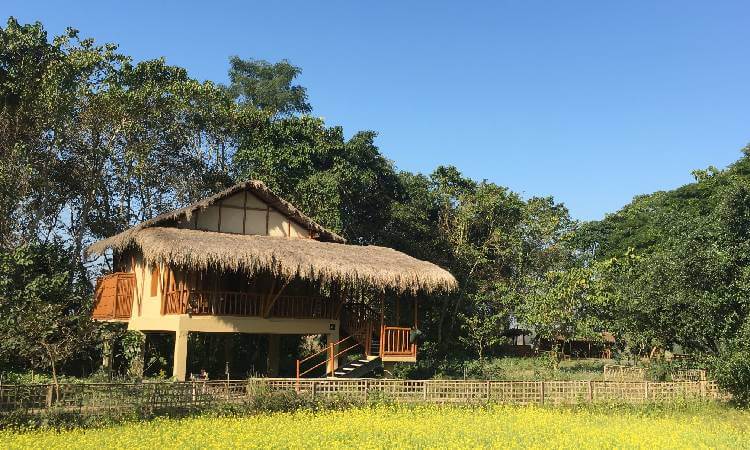
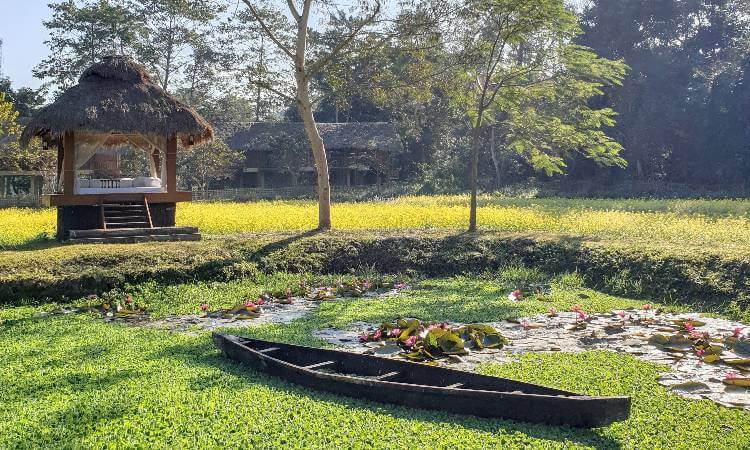
At Sublime Wilderness Odyssey, we’re committed to providing the best, sustainable experiences to our guests. Nestled in India’s mesmerizing Kaziranga wilderness, our accommodation partner, the Diphlu River Lodge epitomizes sustainable luxury and responsible tourism. Established in 2008, this property is a commitment to the environment with greywater recycling, local youth training, and low-noise policies demonstrating their deep-rooted principles. Inspired by the Mishing tribe, the lodge’s architecture seamlessly blends thatch-and-bamboo cottages with nature’s embrace, creating excellent aesthetics and leading to an intimate stay in the wild. Embark on safaris or spend some moments of tranquility by the Diphlu River, immersing yourself in this beautiful abode.
Come closer to nature with carefully curated experiences in Kaziranga. To join us on your unforgettable safari in Kaziranga, contact: [email protected].