On Planning Your First Safari Adventure In India
India is home to some of the most incredible wildlife on the planet. While the country’s melange of cultures has long drawn attention from various travellers, its wild habitats offer rare treasures for those who are passionate about nature. From the majestic tigers, incredible birdlife to the playful elephants, there’s something for everyone on an Indian safari.
Planning your first safari can be daunting. From accommodations and park permits to transfers and unique experiences, there’s simply so much to consider. We’ve put together a few of the most helpful tips on how to plan your first safari adventure in India.
Choose Your Safari Destination Wisely
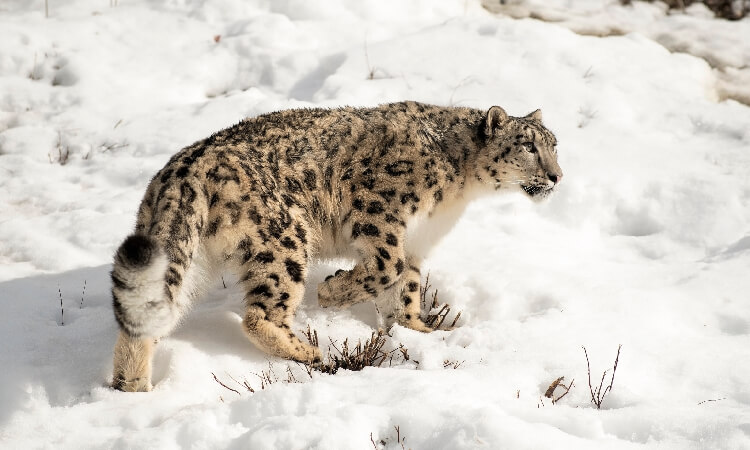
India boasts significant biodiversity with some of the world’s rarest and critically endangered animals. While certain parks are great just for birding, others excel in harbouring unique animal species such as the Kaziranga National Park for rhinos, Gir National Park for the Asiatic lions, Kanha National Park for the Royal Bengal Tigers, or Hemis National Park for snow leopards.
Pick the Right Season for Your Travel
October through March is considered the main travel season to India as temperatures are cooler and make for more comfortable game drives. Big cat and other wildlife viewing may also be remarkable during the months of April to June, i.e. if you can handle warmer temperatures. The dry summer months draw animals from the jungle to larger lakes & watering holes, which can lead to some very successful sightings. Monsoons, on the other hand, are not the most ideal time to visit the wildlife reserves in India as the rains hamper visibility and the lush greenery provides a good cover for all wildlife. However, for someone who is looking for an exclusive experience away from crowds while still having limited access to the forests – monsoons can be an amazing experience. Many parks close the core zones to visitors roughly from June to October.
Plan Well in Advance
Probably the most important part of booking a safari holiday is to plan well in advance – preferably at least 4-6 months prior to the travel period. All the national parks issue only a certain number of safari permits and the number of permits are strictly capped. On an average, each zone of a national park will have 25-30 jeeps going in at a given time. The accommodation options available are also limited. Most lodges and camps will only have 15-20 rooms on an average and the best camps and lodges sell very fast.